PROTECT
Community Preparedness & Resilience
Preparing individuals, families, and neighborhoods to withstand and recover from disruptions, together.
Our Mission
PROTECT prepares individuals, families, and neighborhoods to withstand and recover from physical, economic, environmental, and societal disruptions by building practical skills, physical readiness, food security, emergency resources, and coordinated community response systems.
A community is more resilient when its people are prepared, its essential resources are accessible, its knowledge is shared, and its members know how to support one another.
The Five Pillars of PROTECT
1. Physical Readiness & Self-Defense
Prepare the individual
- Boxing, martial arts, and conditioning
- Practical self-defense and de-escalation
- Situational awareness, boundaries, and escape skills
- First aid, CPR, and basic emergency response
2. Household Preparedness
Prepare the household
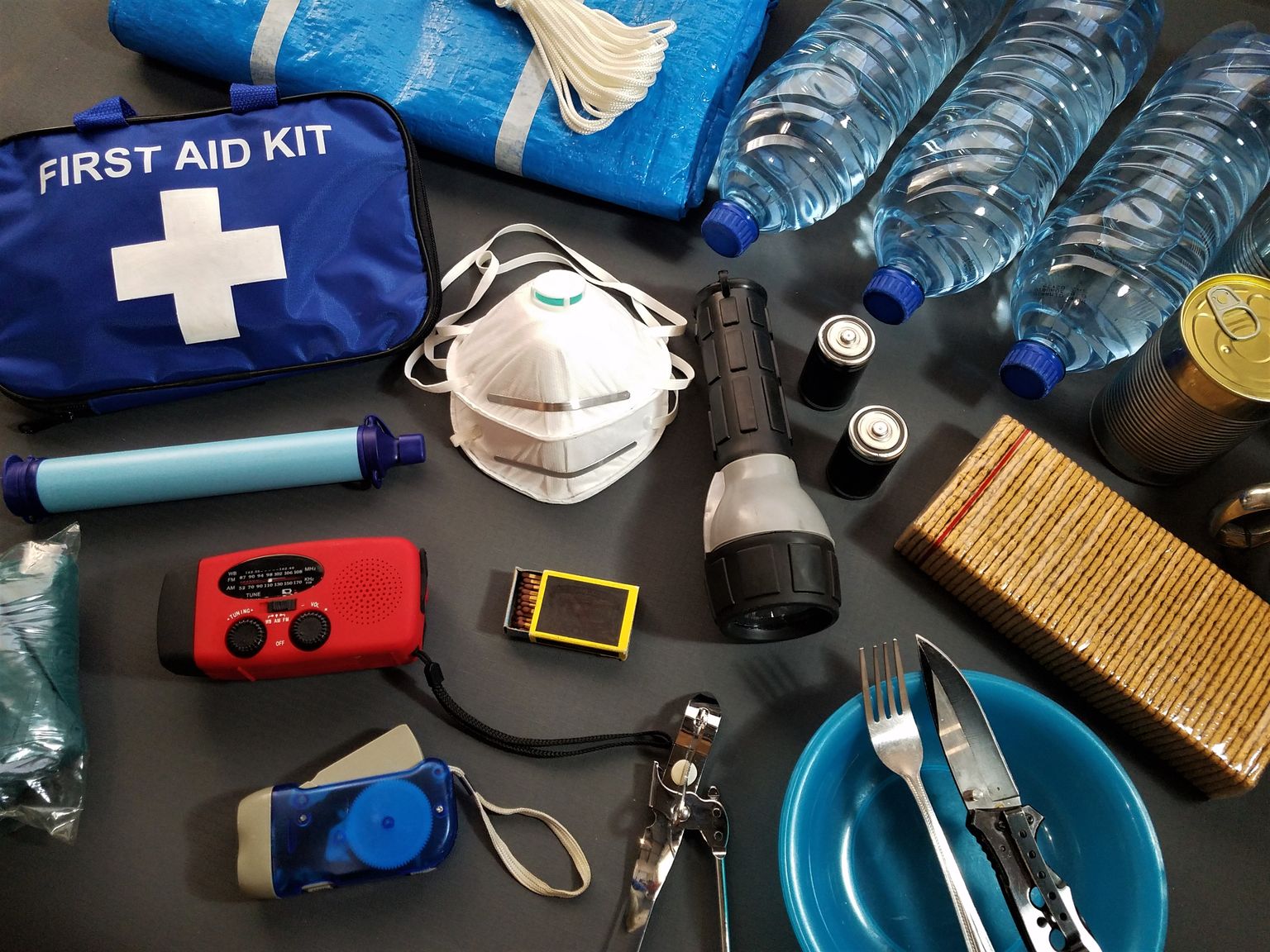
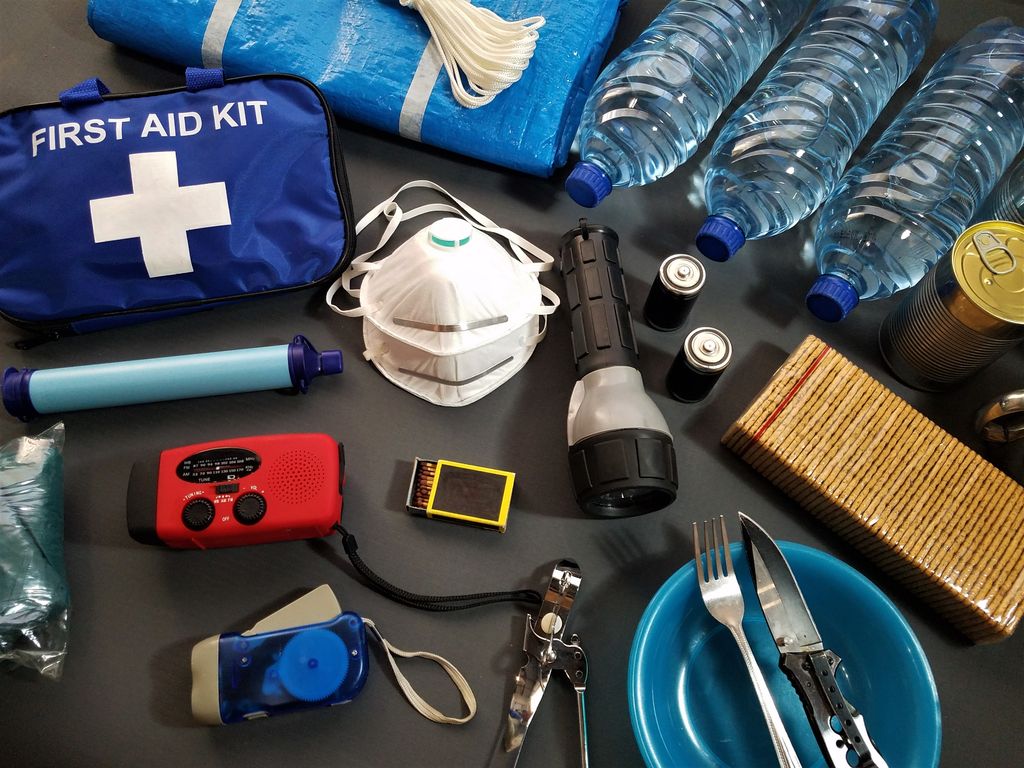
- Emergency kits and preparedness workshops
- Water storage, safe water treatment, and sanitation
- Shelf-stable food and emergency cooking
- Household emergency, contact, and evacuation plans
3. Food Security
Strengthen the local supply
- Community gardens and local farm partnerships
- Food preservation and seed saving
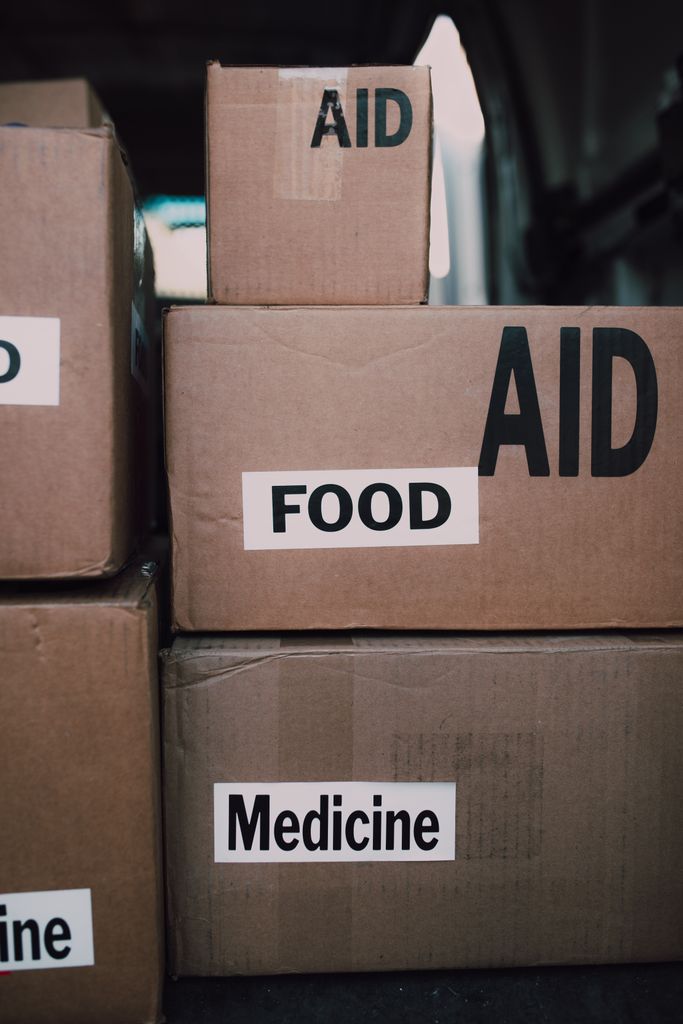
- Shared pantries and emergency food reserves
- Neighborhood food distribution and mutual aid
4. Community Mobilization
Prepare the neighborhood
- Map local skills, resources, and facilities
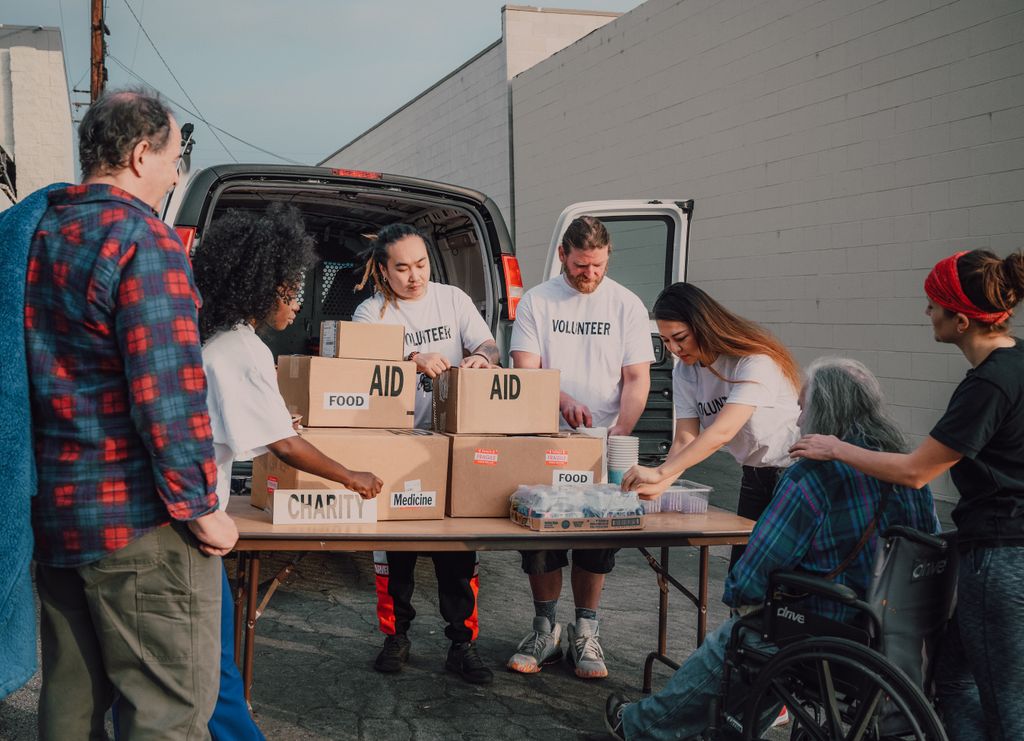
- Volunteer teams for food, supplies, and communication
- Communication trees and meeting points
- Practice drills with local relief partners
5. Infrastructure & Recovery
Prepare the community system
- Backup power, lighting, and charging
- Safe water, sanitation, and food storage
- Shelter partnerships and accessible gathering spaces
- Repair skills, tool libraries, and recovery planning
Four Levels of Readiness
Each level builds more capacity. Start where you are. Most households begin with Tier 0.
Tier 0
Household Readiness
Get through the first 72 hours: water, food, first aid, lighting, medications, and a family plan.
Tier 1
Short-Term Disruption
Stay steady for days or weeks: expanded supplies, backup power, and backup communication.
Tier 2
Community Resilience
Neighbors supporting neighbors: shared reserves, gardens, volunteer teams, and practiced plans.
Tier 3
Long-Term Recovery
Sustain and rebuild: supply partnerships, food production, shelter partners, and recovery planning.
What You Can Join
Protect the Body
Boxing, self-defense, martial arts, and strength and conditioning with qualified instructors.
Prepare the Home
Emergency-kit workshops, family preparedness plans, first aid, and water safety.
Secure the Food
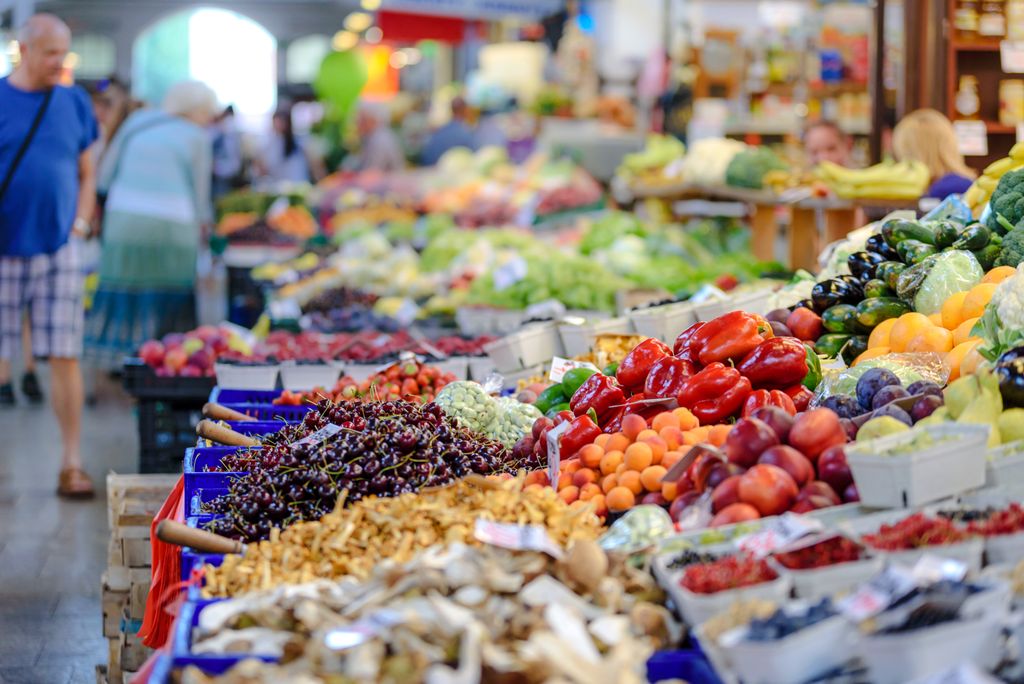
Gardening, food preservation, emergency cooking, and food storage.
Prepare the Community
Preparedness workshops, volunteer training, and communication drills.
Build Resilience
Backup-power basics, resource mapping, repair skills, and recovery planning.
Stay Safe
Conflict de-escalation, situational awareness, and personal safety planning.
Connect. Protect. Uplift.
Our three initiatives work as one cycle.
CONNECT
Know what exists. Map the farms, food banks, providers, suppliers, trainers, and tradespeople in our community.
PROTECT
Prepare and coordinate. Find the gaps, build supply capacity, train people, and plan how to mobilize during a disruption.
UPLIFT
Activate the community. Turn resources and plans into workshops, food projects, kit drives, and volunteer action.

Prepared together. Stronger together.
Preparedness is not about fear. It is about neighbors knowing how to take care of each other.
Get Involved
Join the List
Be the first to hear about kit workshops, classes, and preparedness events.
Volunteer
Help with kit drives, gardens, food distribution, and communication teams.
Partner or Teach
Certified instructors, farms, suppliers, and relief organizations: let’s build this together.
Support
Help build the community kitchen for emergency cooking and food preservation.